
Build your driving foundation.
Start the self-paced Teendrivingcourse.com program on any device and learn Tennessee traffic rules, hazard recognition, right-of-way, and defensive-driving habits before you begin driving.

ONLINE TEEN DRIVER EDUCATION
FLEXIBLE ONLINE DRIVER EDUCATION
FOR NEW DRIVERS IN TENNESSEE.

Take the course on any device. Your progress is saved automatically.
Start the self-paced Teendrivingcourse.com program on any device and learn Tennessee traffic rules, hazard recognition, right-of-way, and defensive-driving habits before you begin driving.
Use the included 3-day PrepWizard trial to work through Tennessee-specific practice questions, take timed practice exams, and concentrate on the topics you need to review most.
At 15, pass the required knowledge and vision tests to obtain your learner permit. Then complete 180 days of supervised permit driving and log the required 50 hours, including 10 at night, before moving toward your Intermediate Restricted License at 16.
Choose the course that fits your Tennessee learning goals.
Compare approval, the total cost, and the help you’ll get along the way.
Review current Tennessee options and prices.
Ask what’s included before you enroll.
Take the next step toward confident driving in Tennessee.
Find your course and start building good habits.
Review your course details and price before you enroll.

Short study sessions that fit around school and family life.
Pick up where you left off, on your own schedule.
Review your course and completion details before you enroll.
Our team can help with course, account, and certificate questions.
Quick answers for Tennessee teens and parents.
Find more help on our full FAQ page.
You must be at least 15 and pass the required written and vision examinations. Applicants under 18 also need the required school-attendance and parent or guardian documentation.
Yes. Tennessee applicants ages 15 through 17 can take the knowledge test online under the supervision of a parent or legal guardian through the Tennessee Proctor ID system.
You must hold the learner permit for at least 180 days.
You need at least 50 hours of supervised driving, including 10 hours at night, with the experience certified on the state's required form.
No. It is a supplemental study resource and does not satisfy Tennessee's approved driver education requirement.
A licensed driver who is at least 21 years old must sit in the front seat while you drive with a learner permit.
A learner permit does not allow driving between 10:00 p.m. and 6:00 a.m. and requires a qualified supervising driver whenever you drive.
You can apply at 16 after holding the learner permit for at least 180 days, completing 50 hours of driving including 10 hours at night, meeting the record requirements, and passing the road skills test.
Generally, you may have only one passenger, although Tennessee provides specific exceptions for certain supervised and school-related situations.
Generally, you cannot drive between 11:00 p.m. and 6:00 a.m. unless a listed Tennessee exception applies.
You must be 17 and have held your Intermediate Restricted License for at least one year while meeting Tennessee's applicable driving-record requirements.
You must complete an approved driver education class before receiving an Intermediate Unrestricted License.
Tennessee prohibits handheld cellular-phone use by learner-permit and intermediate-license holders. A violation can also add 90 days to the wait for the next license level.
You can obtain a regular Class D license at 18, or when you graduate from high school or receive a GED, whichever comes first.
It provides supplemental online study and defensive-driving preparation. It can help you prepare for the knowledge test and supervised practice, but it does not replace Tennessee's licensing requirements or approved remedial driver education.
Licensing information: Tennessee Driver Services →
Find your next step, or get help from our team.
Tennessee uses a four-stage Graduated Driver License program for drivers under 18: the Learner Permit, Intermediate Restricted License, Intermediate Unrestricted License, and finally the regular Class D license. The process begins at age 15, and each stage adds experience while gradually reducing restrictions.
The standard teen path does not require a driver education course before you receive your learner permit or Intermediate Restricted License. Instead, Tennessee requires the appropriate testing, a minimum 180-day learner-permit period, and 50 hours of supervised driving, including 10 hours at night. An approved driver education course becomes relevant as a remedial requirement if an Intermediate Restricted License holder receives a second moving violation.
Teendrivingcourse.com is not a Tennessee-certified driver education course. It does not fulfill any standard GDL licensing requirement and cannot substitute for the approved driver education course required after a second moving violation. Its role is supplemental: it can help you prepare for the knowledge test and reinforce the driving knowledge and defensive habits you use during supervised practice.
The basic path is:
At 15, you can apply for a Tennessee learner permit after passing the standard written and vision examinations. Applicants under 18 also need the required Minor/Teenage Affidavit and proof of school attendance.
Tennessee now offers an online knowledge-test option for applicants ages 15 through 17. The online exam is administered under the supervision of a parent or legal guardian through the Tennessee Proctor ID system. The test contains 30 questions, requires an 80% score to pass, and can be attempted twice online before future testing must take place at a Driver Services Center.
Once you have the learner permit, you must have a licensed driver who is at least 21 years old seated in the front seat whenever you drive. Learner-permit holders also cannot drive between 10:00 p.m. and 6:00 a.m. and must comply with Tennessee's safety-belt and device restrictions.
Before moving to the Intermediate Restricted License, you must hold the learner permit for at least 180 days. You also need at least 50 hours of supervised driving experience, including 10 hours at night, documented on the state's official 50-hour certification form.
Your parent, legal guardian, or licensed driving instructor can certify the required experience on form SF-1256. These hours should give you meaningful experience with different traffic and road conditions rather than simply reaching the required total.
Tennessee also requires an acceptable driving record before you can advance. If you have accumulated six or more points during the applicable 180-day period, you must continue holding the learner permit until your record has fewer than six points for a full 180 consecutive days.
At age 16, you can apply for the Intermediate Restricted License after holding your learner permit for at least 180 days, completing the required 50 hours including 10 nighttime hours, and satisfying the applicable record requirements. You must also pass the road skills test.
The Intermediate Restricted License gives you more independence but still limits when and with whom you can drive. You generally may not drive between 11:00 p.m. and 6:00 a.m., and you are generally limited to one passenger. Tennessee provides specific exceptions for certain supervised or school, work, hunting, and fishing trips.
To move from the Intermediate Restricted License to the Intermediate Unrestricted License, you must be 17 and have held the restricted license for at least one year. You also must meet Tennessee's record requirements.
The unrestricted intermediate stage removes the normal nighttime and passenger restrictions, although the word “Intermediate” remains on the license. At this stage, no additional driving test is required.
Tennessee allows you to obtain a regular Class D license at 18, or earlier when you graduate from high school or receive a GED, whichever comes first. At that point, the “Intermediate” designation is removed from the license.
A learner permit requires supervision whenever you drive. Your supervising driver must be at least 21 years old and seated in the front passenger seat. Learner-permit holders also may not drive between 10:00 p.m. and 6:00 a.m.
The Intermediate Restricted License carries two major restrictions: you generally cannot drive from 11:00 p.m. to 6:00 a.m., and you may have only one passenger in the vehicle. Tennessee law provides several exceptions, including certain trips accompanied by a parent or designated adult and specific school, work, hunting, or fishing travel.
Tennessee prohibits drivers with learner permits or intermediate licenses from using a handheld cellular telephone while operating a motor vehicle. The state also separately prohibits texting while driving. A violation can result in a $50 fine and a 90-day delay in eligibility for the next GDL level.
Keep your phone out of reach while driving so that you do not turn a short distraction into a licensing delay.
Driver education is not part of the standard Tennessee GDL sequence. However, Tennessee's teen-driver FAQ states that if an Intermediate Restricted License holder receives a second moving violation, an approved driver education class must be completed before the driver can receive an Intermediate Unrestricted License.
Teendrivingcourse.com cannot satisfy that remedial requirement because it is not a Tennessee-approved driver education course.
Tennessee requires applicants under 18 to provide proof of school attendance. A student who withdraws from school can have driving privileges suspended, and the state provides specific rules for reinstatement after returning to school.
For drivers under 18, remaining enrolled and meeting the state's school-attendance requirements is therefore part of maintaining eligibility for driving privileges.
Tennessee's Financial Responsibility Law requires motorists to demonstrate financial responsibility. The state's minimum liability insurance limits are:
A parent or guardian must also provide the required financial-responsibility documentation during the teen licensing process.
Tennessee's knowledge test covers the rules and information contained in the state's Comprehensive Driver License Manual. For applicants ages 15 through 17, Tennessee currently provides an option to take the knowledge test online under parent or legal-guardian supervision, in addition to testing through Driver Services Centers.
Every Teendrivingcourse.com purchase includes a 3-day PrepWizard trial. It gives you an additional way to practice test-style questions before taking the official exam.
With PrepWizard, you can:
A focused practice period before the knowledge test can help you identify weak subjects before you take the official exam.
Teendrivingcourse.com is a supplemental online study resource, not a Tennessee-certified driver education course. It does not replace the standard GDL requirements and cannot satisfy the approved driver education requirement that applies after a second moving violation on an Intermediate Restricted License.
The course can instead reinforce traffic rules, hazard recognition, right-of-way, defensive-driving techniques, and safe-driving habits. You can use those lessons while preparing for the knowledge test and throughout your 50 hours of supervised driving.
The official licensing requirements remain separate from the course. Tennessee determines when you qualify for each GDL stage through the required age, testing, permit period, supervised-driving, and record requirements. Teendrivingcourse.com simply provides additional preparation around those steps.
Build confidence one question at a time. Try a few practice questions, then keep preparing for your Tennessee knowledge test.
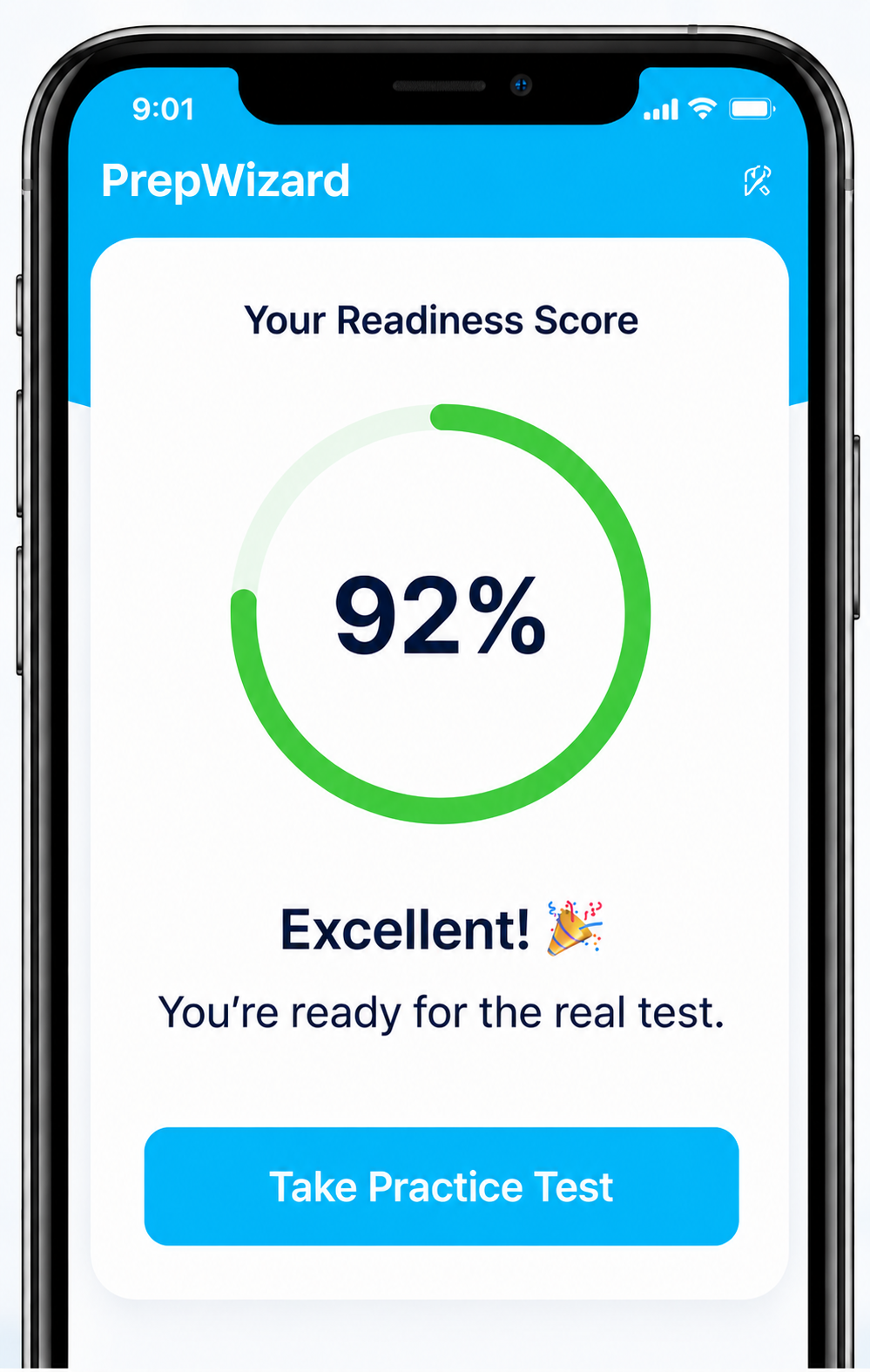 Sample readiness screen
Choose an answer to continue.
Questions about your course? Call 1-800-482-6593.
Choose your county or area to find local driver education information and links to its cities and communities.
Place names and county relationships: 2020 U.S. Census reference files. Includes county equivalents and census-designated communities.